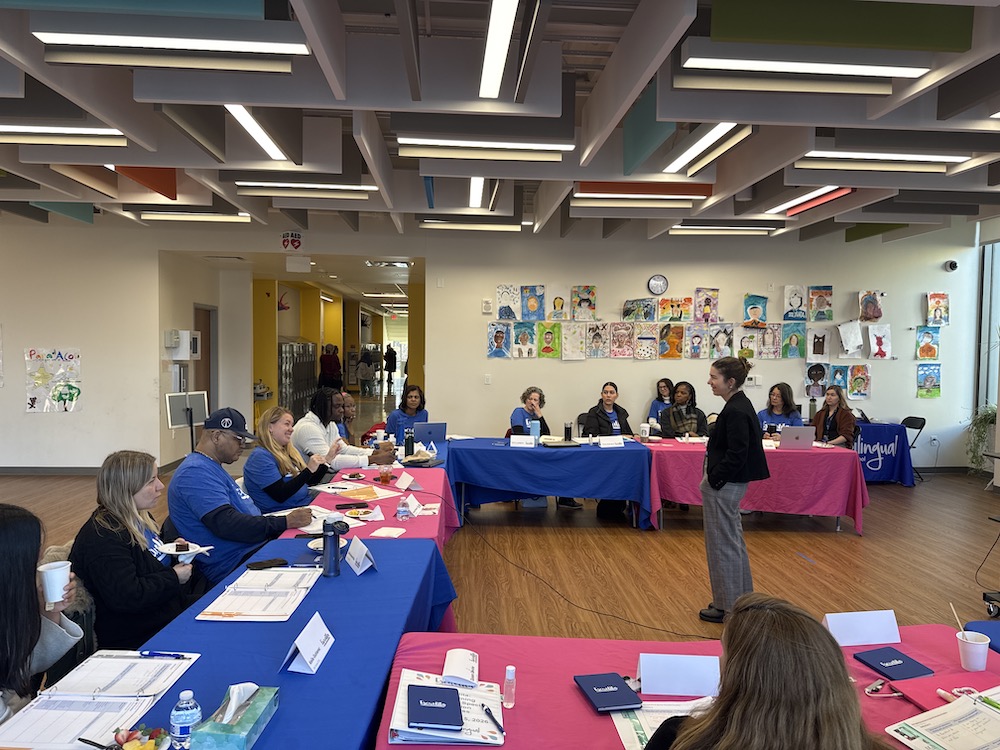
In January, DC Bilingual was proud to welcome a group of educators from across Washington, DC for a two-day learning visit centered on building flexible, collaborative systems anchored in strong behavioral practices and academic rigor. The focus of the visit was clear: how do we ensure Free Appropriate Public Education (FAPE) for all students while maximizing teacher efficacy and creating inclusive environments where every child can thrive.
Participants represented Elsie Whitlow Stokes PCS, Mundo Verde PCS, Two Rivers PCS, and Mary McLeod Bethune Day Academy PCS. Together, we engaged in rich dialogue, classroom observations, and collaborative reflection grounded in a shared commitment to bilingual education and equitable student outcomes.
On Day 1, visitors explored how DC Bilingual’s flexible, student-centered systems support inclusion. Participants learned about our core models, key benefits, and instructional strategies designed to enhance teaching and support diverse learners. Educators observed classrooms in action, analyzed environmental and behavioral systems, and examined specific aspects of our SPED approach that drive student growth.
Through classroom visits and meaningful conversations with teachers, guests gained insight into how intentional planning, strong collaboration, and clearly defined systems allow us to meet students’ individual needs while maintaining high academic expectations.
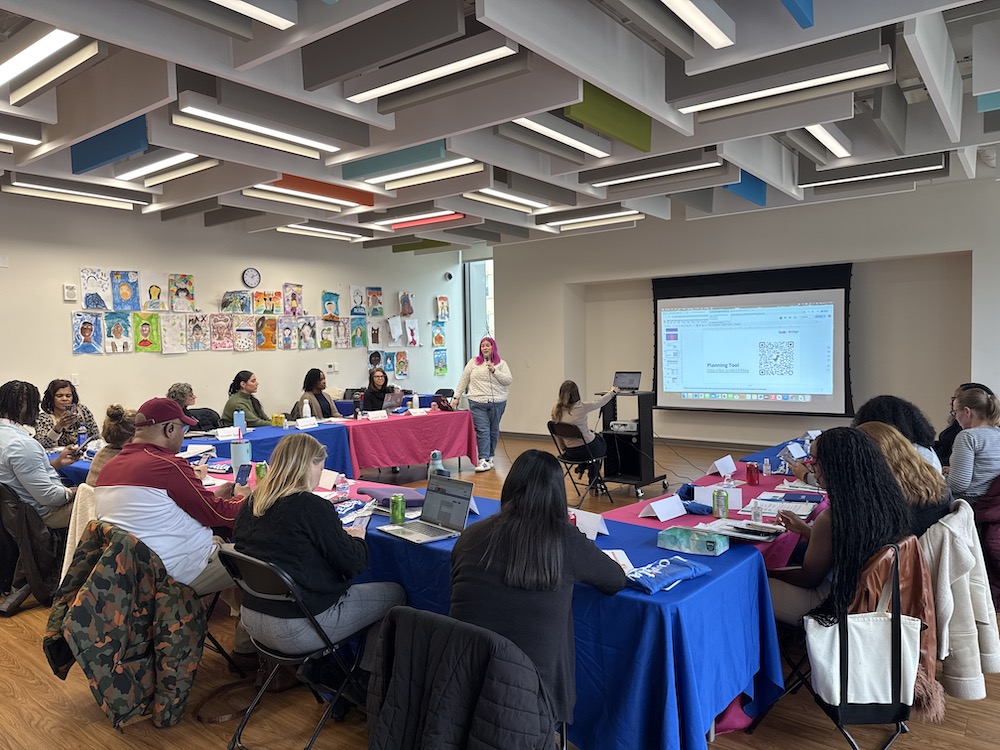
Day 2 focused on the power of collaboration and socio-emotional systems in supporting inclusion. Participants examined the purpose and structure of DC Bilingual’s behavioral frameworks and how these practices promote flexibility, shared ownership, and student growth. Teachers and leaders engaged in candid discussions about our SPED systems, asking thoughtful questions about implementation, alignment, and sustainability.
The visit concluded with structured reflection time. Participants considered how different stakeholders—leaders, teachers, specialists, and families—can work together to create inclusive environments that foster growth. Using the mindsets and tools of the DC Bilingual approach, each school team began developing an initial roadmap with clear goals, defined roles, and actionable next steps to strengthen inclusion in their own communities.

.avif)